

Navratri’s Sacred Beauty: Pooja, Traditions & Flowers
Navratri’s Sacred Beauty: Pooja, Traditions & Flowers
Navratri, a vibrant and sacred festival celebrated across India, holds a special place in the hearts of devotees. It is one of the most spiritually significant festivals, observed with devotion, prayer, fasting, devotional songs, traditional rituals, and sacred offerings. Homes and pooja spaces are beautifully decorated with fresh flowers, creating a peaceful and festive atmosphere.
Significance of Flowers in Navratri
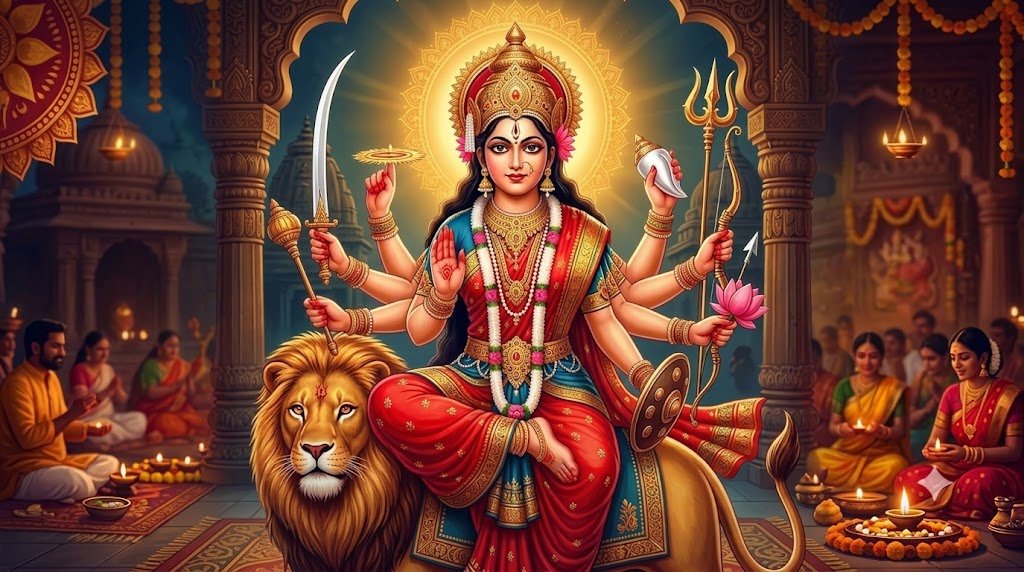
Navratri is dedicated to the worship of Goddess Durga and her nine forms, celebrating the divine feminine energy that represents strength, protection, wisdom, and compassion. Each day of Navratri is associated with a different form of the Goddess, and devotees perform pooja rituals to seek her blessings. Sacred items such as incense, lamps, and fresh flowers play an important role in these rituals, with flowers being a beautiful and meaningful part of Navratri pooja offerings.
Traditions and Celebrations
Beyond the pooja, Navratri is a time for cultural festivities. In Bangalore, communities come together for Garba and Dandiya nights, showcasing traditional dance forms. Homes are decorated with vibrant rangolis and flower arrangements, adding to the festive atmosphere.
The Role of Flowers in Navratri
Flowers hold an important place in Navratri worship. They are offered to the Goddess as a symbol of devotion, purity and gratitude. Different families and traditions may use different flowers, but the following are commonly chosen for Navratri Puja and decorations:
- Lotus – A sacred flower associated with purity, prosperity and divine beauty.
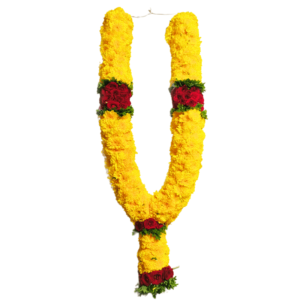
- Marigold – Yellow and orange marigolds are widely used for puja, garlands and festive decorations.
- Jasmine – Known for its delicate fragrance, jasmine is commonly used for offerings and garlands.
- Rose – Red, pink and other roses can be used for floral offerings and altar decoration.
- Chrysanthemum – Popular for pooja, garlands and festive floral arrangements.
- Tuberose (Rajinigandha) – Its beautiful fragrance makes it a popular choice for garlands and worship.
- Orchids – Add a touch of elegance and are often used in modern floral arrangements.
- Hibiscus – Traditionally used in worship of various forms of Goddess Shakti.
How to Decorate Your Home for Navratri
You don’t need elaborate decorations to create a beautiful Navratri atmosphere. Simple, fresh floral touches can make your home feel festive and peaceful.
- Decorating the entrance: Use a fresh flower thoran or floral arrangement at the entrance.
- Decorating the pooja space: Place fresh flowers around the deity or create a simple floral arrangement beside the pooja setup.
- Using flower garlands: A fresh garland can beautifully frame the deity and add a traditional touch.
- Adding loose flowers: Keep a small basket or plate of fresh flowers ready for daily offerings.
- Combining flowers: Mixing flowers of different colours can create an attractive festive arrangement while keeping the decoration natural.
Celebrate Navratri with GetFlowersDaily
As you prepare to celebrate Navratri, let GetFlowersDaily be your partner in creating a memorable experience. Our wide selection of fresh flowers will ensure your pooja and decorations are picture-perfect.
This Navratri, let your home bloom with devotion, fresh flowers, and the spirit of celebration. 🌸