


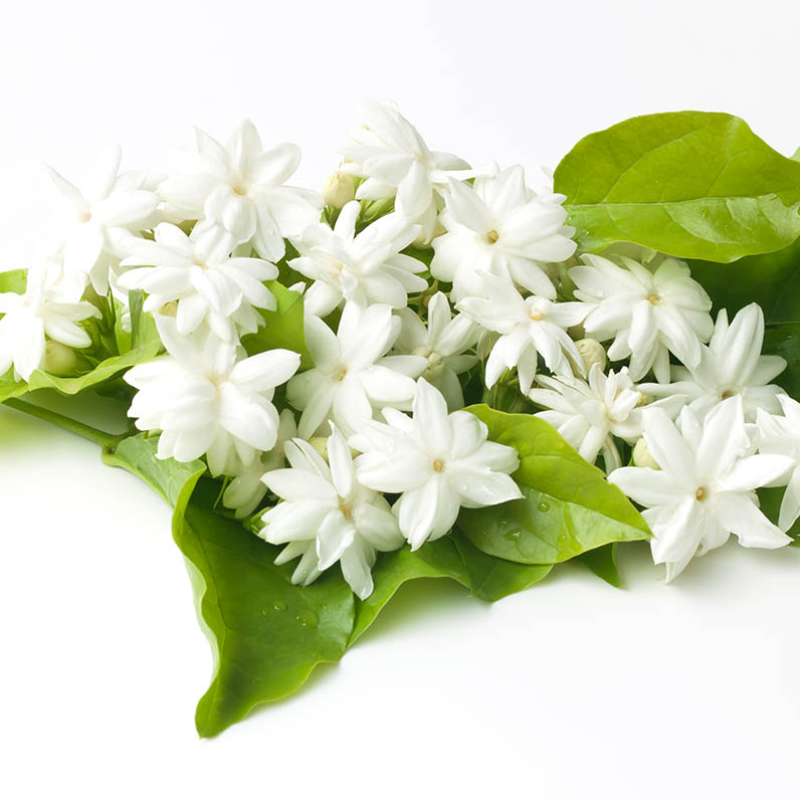
History and Cultural Significance of Jasmine
History and Cultural Significance of Jasmine
History and Cultural Significance of Jasmine: A Flower of Purity, Love, and Tradition
Flowers are more than nature’s delicate creations—they carry meanings, memories, and centuries of tradition. Among them, jasmine stands as one of the most beloved flowers across cultures. Known for its sweet fragrance and pristine white blossoms, jasmine has always been more than just an ornament. It is a symbol of purity, love, devotion, and spirituality, celebrated in temples, weddings, literature, and everyday life.
The Ancient Origins of Jasmine
The name jasmine originates from the Persian word “yasmin”, meaning “gift from God”. True to its name, jasmine has been treasured since ancient times. Believed to have originated in the foothills of the Himalayas and tropical regions of Asia, jasmine spread across the Middle East, Africa, and Europe through trade routes.
In ancient civilizations, jasmine was admired not just for its beauty but also for its medicinal and spiritual qualities. It featured in royal gardens, temple offerings, and perfumes, marking it as a flower of divine charm.
Jasmine in Indian Traditions
India has embraced jasmine for thousands of years, making it an inseparable part of its cultural and spiritual identity. Known as Malligai, Mallipoo, or Mogra, jasmine is celebrated in countless ways:
- Temple Offerings: Jasmine garlands are offered to deities like Vishnu, Lakshmi, and Shiva. Its white petals symbolize purity and divine blessings.
- Weddings & Auspicious Events: Brides adorn their hair with strands of jasmine, symbolizing love, grace, and prosperity in married life. In South India, jasmine garlands are also exchanged by the bride and groom during marriage rituals.
- Festivals: Jasmine is a staple during Pongal, Navratri, and other religious festivities, used to decorate homes and temples with fragrance and charm.
- Daily Adornment: In states like Tamil Nadu and Karnataka, women wear jasmine in their hair every evening as a mark of beauty and tradition.
Jasmine Across the World
While jasmine is deeply rooted in Indian culture, its significance extends worldwide:
- Persia & Middle East: Jasmine perfumes and tea symbolize hospitality and warmth.
- China: Jasmine tea is a symbol of purity, balance, and elegance.
- Philippines & Indonesia: Jasmine is the national flower, representing simplicity, devotion, and eternal love.
- Western Culture: In the Victorian era, jasmine symbolized attachment, sensuality, and everlasting affection.
The Sacred Fragrance
What makes jasmine truly special is its fragrance—sweet, soothing, and spiritual. In Ayurveda, jasmine is believed to calm the mind, reduce stress, and invite positive energy. This is why it is widely used in attars, incense, and essential oils for prayers, meditation, and wellness.
Its fragrance is also symbolic of the unseen—something that cannot be held but only felt, much like love, devotion, and divinity.
Jasmine in Arts, Poetry, and Music
Jasmine has inspired countless works of art, poetry, and music. Tamil Sangam poetry often describes jasmine as a metaphor for love and longing. In classical Indian dance, women adorned with jasmine symbolize beauty and grace. Across Indian cinema, especially in Tamil and Hindi songs, jasmine garlands are celebrated for their fragrance and romantic charm.
Jasmine Today: Tradition Meets Modern Life
Even in modern times, jasmine has not lost its cultural essence. It continues to play an important role in weddings, poojas, temple festivals, and home décor. Beyond tradition, jasmine is also loved worldwide in perfumes, spa treatments, and wellness rituals.
Post a Comment
You must be logged in to post a comment.