


Why Jasmine Strings are Essential for South Indian Traditions
Why Jasmine Strings are Essential for South Indian Traditions
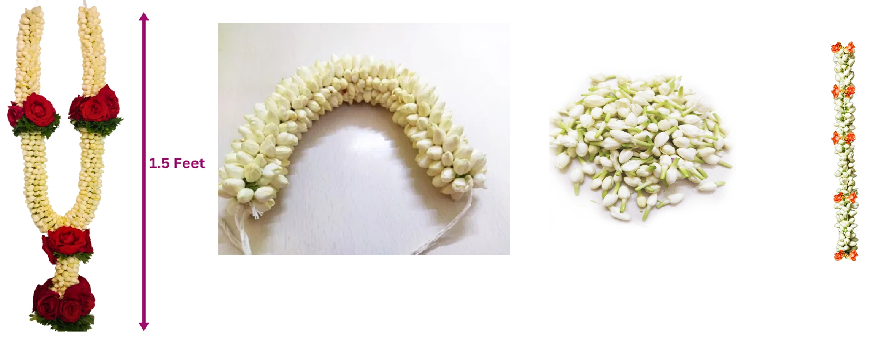
In South India, flowers are not just beautiful creations of nature – they are carriers of emotions, symbols of devotion, and vital elements of tradition. Among the many flowers cherished in cultural and religious practices, jasmine strings (Malligai Poo) hold a special and irreplaceable place. Their pure white petals, intoxicating fragrance, and timeless symbolism make them an inseparable part of everyday life, festivals, weddings, and spiritual offerings.
The Divine Symbolism of Jasmine in South Indian Culture
Jasmine has long been considered a sacred flower in Indian culture. Its pristine white petals symbolize purity, peace, and devotion, while its fragrance is said to attract positive energies. In temples, jasmine strings are offered to deities as a sign of surrender and love, believed to invoke divine blessings.
For centuries, jasmine has been woven into the daily rhythm of life in South India, becoming more than just a flower—it is a cultural identity.
A Bride’s Crown of Elegance
If there’s one image that captures the essence of a South Indian wedding, it is the bride adorned with jasmine strings gracefully woven into her hair. The tradition is not merely for beauty; it carries profound meaning:
- Jasmine represents prosperity and auspicious beginnings.
- Its fragrance is thought to bring calmness and positivity during wedding rituals.
- The cascading jasmine strands enhance the bride’s natural grace, symbolizing purity, fertility, and joy in marital life.
From Tamil Nadu to Karnataka, no bridal look is considered complete without jasmine strings. Even today, despite evolving fashion trends, jasmine continues to hold its position as the ultimate bridal adornment.
Jasmine in Everyday Life
For many South Indian households, jasmine strings are a part of daily life. Women wear them in their hair not just for aesthetics but also for cultural pride. Jasmine’s fragrance has therapeutic effects—it is said to reduce stress, calm the mind, and uplift the spirit.
In the evenings, when families gather for prayers, jasmine strings fill the air with their refreshing scent, making the home environment serene and sacred. This daily practice reflects how deeply intertwined jasmine is with the rhythm of South Indian living.
Jasmine in Temples and Rituals
Temples across South India are adorned with fragrant jasmine garlands offered to deities. It is a flower beloved by gods and goddesses, particularly revered in the worship of Lord Vishnu, Goddess Lakshmi, and Goddess Meenakshi.
Jasmine strings are also integral during special poojas, Navaratri celebrations, and temple festivals, where they are used for:
- Alankaram (deity decoration)
- Offerings in daily rituals
- Garlands for sacred ceremonies
- The belief is simple yet powerful: where jasmine fragrance lingers, divinity resides.
Festivals and Auspicious Occasions
During festivals like Pongal, Varalakshmi Vratham, Deepavali, and Navaratri, homes are decorated with jasmine strings to invite prosperity and positivity. Hanging fresh jasmine strings at the entrance is considered auspicious, welcoming not just guests but also divine blessings.
Their fragrance instantly elevates the festive atmosphere, making every gathering more joyful and spiritually fulfilling.
Blending Tradition with Modern Lifestyle
While jasmine strings have deep cultural and spiritual significance, their uses have also evolved with time. Today, they are not only part of poojas and weddings but are also used for:
- Stage and event decorations
- Corporate religious ceremonies
- Fragrance for natural ambiance
- Gifting on special occasions
This blend of tradition with modern lifestyle ensures that jasmine continues to stay relevant across generations.
Post a Comment
You must be logged in to post a comment.